Banana slugs at CAMP

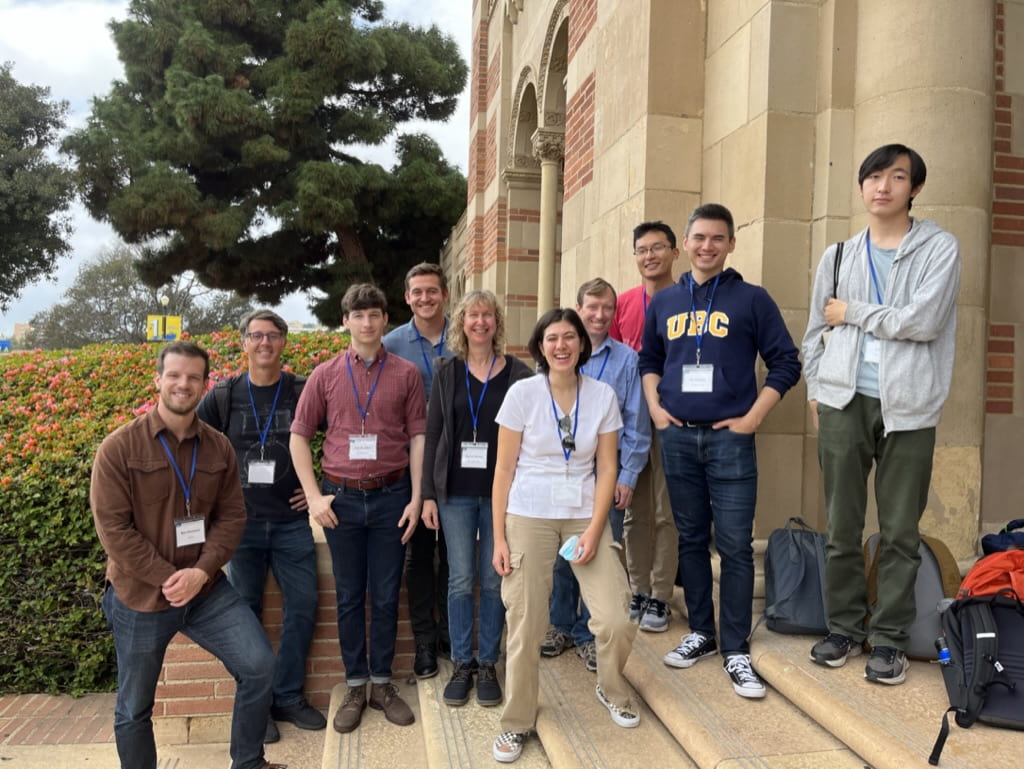
On the weekend of January 28-29, several UC Santa Cruz psycholinguists presented at this year’s California Meeting on Psycholinguistics (CAMP), hosted by UCLA. The conference attendees included graduate students and post-docs from all over the state conducting research in language processing. In addition to Professors Matthew Wagers and Amanda Rysling each chairing a session, the talk schedule was infested with banana slugs:

Long talks:

  • Does memory for focus structure interfere with memory for prosody? Lalitha Balachandran & Morwenna Hoeks
  • Is phonotactic repair of onset clusters modulated by listener expectations? Max Kaplan
  • The Subject-Object Asymmetry in Embedded Questions: Evidence from the Maze, Matthew Kogan
  • Turkish relative clauses and the role of syntactic connectivity in agreement attraction, Elifnur Ulusoy

Poster talks:

Also in attendance were UCSC alumni Ben Eischens (PhD, 2022), Steven Foley (PhD, 2020), and Kelsey Sasaki (PhD, 2021).


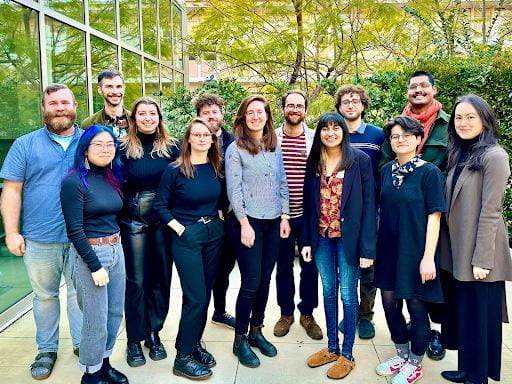
linguists at camp

From left: Matthew Wagers, Steven Foley, Kelsey Sasaki, Sophia Stremel, Morwenna Hoeks, Max Kaplan, Stephanie Rich, Jack Duff, Lalitha Balachandran, Matthew Kogan, Elifnur Ulusoy, Vishal Arvindam, Amanda Rysling

Slugfest at UCLA

Earlier this quarter, several present and past members of the UC Santa Cruz linguistics community met up at the 2022 American Meeting on Phonology (AMP) at UCLA. The Sunday poster session featured work by current PhD students Dan Brodkin (“Existential Match: Evidence from Mandar”) and Jonathan Paramore (“Toward a uniform moraic quantity principle”), as well as Professor Rachel Walker (“Temporal coordination and markedness in Moenat Ladin consonant clusters,” with Yifan Yang), and the Friday and Saturday sessions saw talks by PhD alumni Aaron Kaplan (“Categorical and gradient constraints on clitic allomorphy,” with Edward Rubin) and Andy Wedel (“The effect of cue-specific lexical competitors on hyperarticulation of VOT and F0 contrasts in Korean stops,” with Cheonkam Jeong) and BA alumnus Eric Bakovic (“Faithfulness and underspecification,” with William Bennett and “SAGUARO: A workbench for phonological theories,” with Eric Meinhardt). The gathering also featured recent PhD alumnus — and now UCLA Assistant Professor — Ben Eischens and first-year grad students Ian Carpick, Duygu Demiray, Larry Lyu, and Richard Wang. A strong showing for the Department, and a memorable event for phonology!

UCSC at AMP 2022

From left: Ben Eischens (PhD Alumnus), Eric Bakovic (BA Alumnus), Dan Brodkin (PhD), Jonathan Paramore (PhD), Rachel Walker (Faculty), Duygu Demiray (MA), Aaron Kaplan (PhD Alumnus), Richard Wang (PhD), Ian Carpick (PhD), and Larry Lyu (MA)

Walker at UC Berkeley

In November, Professor Rachel Walker gave a talk at UC Berkeley on “Gestural organization and quantity in English rhotic-final rhymes,” in the Phorum talk series. The abstract for her talk can be found below.

“In phonological structure, the segment root node is classically the locus of temporal organization for subsegmental units, such as features, governing their sequencing and overlap (e.g. Clements 1985, Sagey 1986). Root nodes also classically figure in the calculation of weight-by-position, by which coda consonants are assigned a mora (Hayes 1989). In this talk, I discuss evidence that motivates encoding temporal relations directly among subsegmental elements, represented phonologically as gestures (Browman & Goldstein 1986, 1989). A case study of phonotactics in syllable rhymes of American English, supported by a real-time MRI study of speech articulation, provides evidence for a controlled sequence of articulations in coda liquids. This study finds support for phonological representations that include 1) sequencing of subsegments within a segment (within a liquid consonant), and 2) cross-segment partial overlap (between a liquid and preceding vowel). Further, the assignment of weight in the rhyme is sensitive to these configurations. To accommodate such scenarios, it is proposed that segments are represented as sets of gestures without a root node (Walker 2017, Smith 2018) with a requisite component of temporal coordination at the subsegmental level. A revised version of weight-by-position is proposed that operates over subsegmental temporal structure. By contrast, the scenarios motivated by the phonotactics of rhymes with coda liquids are problematic for a theory in which sequencing is controlled at the level of root nodes.”

Interview with Professor Mia Gong

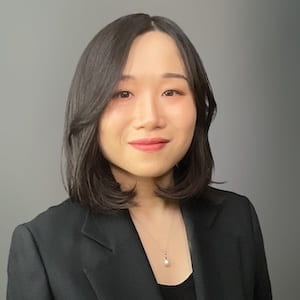
Last week, the WHASC Editor talked with Mia Gong, who just joined the Department as an Assistant Professor.

Professor Mia Gong

Professor Mia Gong

Professor Gong received the PhD in 2022 from Cornell University. Her research, which is in theoretical syntax and the syntax-morphology interface, aims to account for structural variation and typological parallels across languages. It is characterized by a strong commitment to fieldwork, in particular to two Mongolic languages: Dagur and Chakhar Mongolian. Her work has appeared or will soon appear in Linguistic Inquiry and Glossa.

WHASC Editor: How did you get into linguistics?

Gong: I took my first linguistics class in the form of an introductory syntax class while I was studying for my Master’s degree at the University of Delaware. Despite having a rather late start in linguistics, I was immediately drawn to the subject and soon afterwards I decided to pursue linguistics as a career. With the encouragement of my advisors I decided to leave UD to pursue a PhD in linguistics. After moving to Cornell, I had a lot of fun exploring typologically different languages and developed a more general interest in languages of East/Central Asia. 

WHASC Editor: What is a project that you are currently working on?

Gong: One of my current projects is on the same-subject/different-subject constructions in Mongolic languages, which superficially resembles the switch-reference system found in many American languages. I am very excited to be working with native speakers of different Mongolian dialects to test out several hypotheses for this project over the next few weeks. 

WHASC Editor: What is a big question in your subdiscipline that excites you, and why?

Gong: I’ve always been interested in the problems of descriptive and explanatory adequacy. For example, how can our theory be constructed in a way so that it correctly describes the tacit competence of native speakers, while simultaneously providing a principled explanation (independent of any particular language) for the selection of the descriptively adequate grammar? To what extent does our current theory of language qualify as a genuine explanation? While these are familiar problems, they help remind me why I entered the field of linguistics and have always grounded me and kept me going. 

WHASC Editor: What is the most interesting thing you have seen/done/learned about in Santa Cruz so far?

Gong: I would say the nature. I have never lived in a place like Santa Cruz before, and it’s always great to be walking on campus and see the early morning/twilight mist.

We are excited to have you as a member of the Department, Mia!

Interview with Professor Christian Ruvalcaba

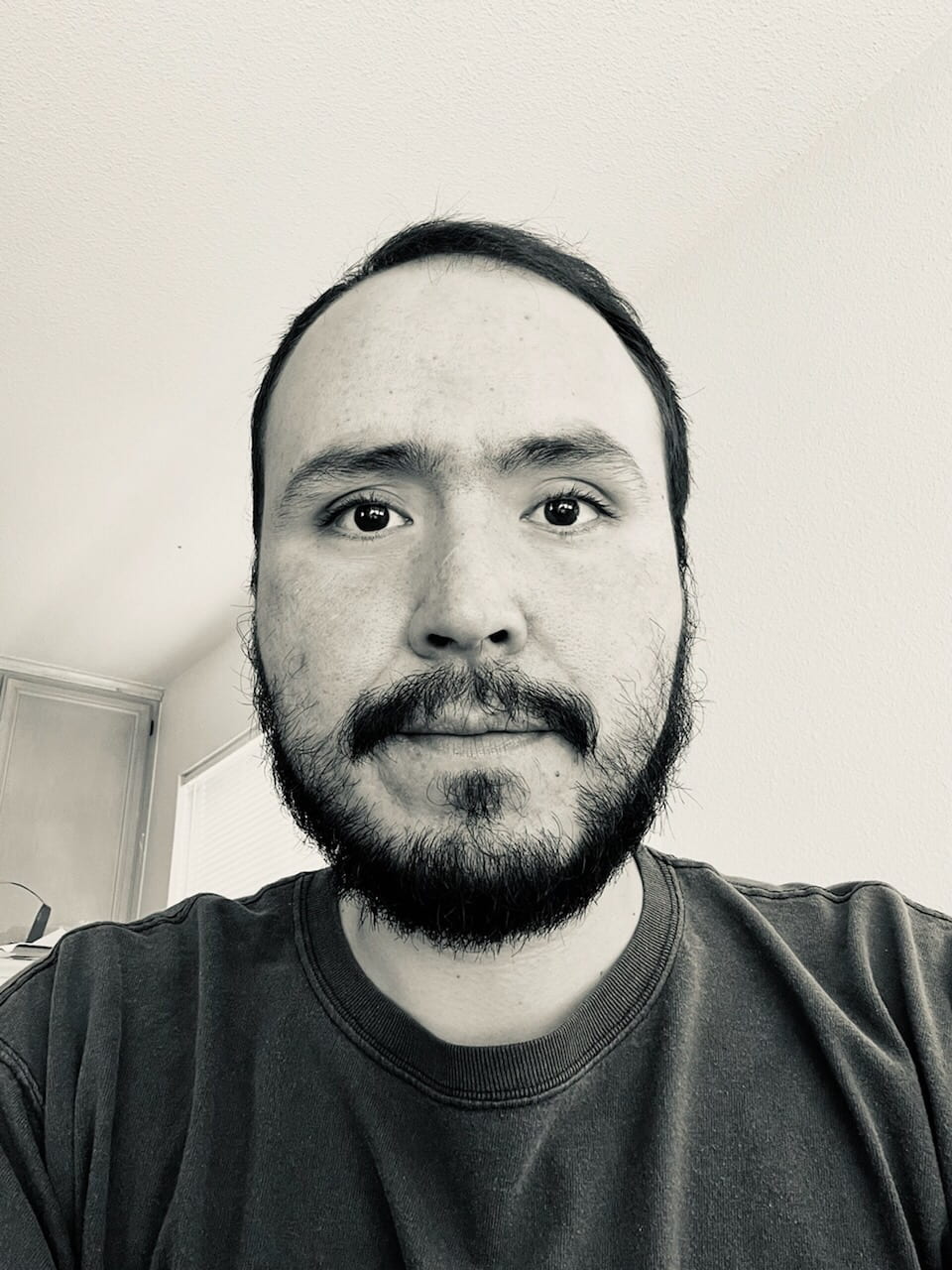
Professor Ruvalcaba

Professor Christian Ruvalcaba

The WHASC Editor got a chance recently to sit down with Christian Ruvalcaba, who joined the Department of Languages and Applied Linguistics this fall as an Assistant Professor. 

Professor Ruvalcaba received the PhD in 2018 from the University of Arizona, and his research investigates morphosyntactic theory, intersections of place identity and language, participatory sociolinguistic research in the southwest, and Indigenous language reconstruction and revitalization. While at Arizona, he coordinated the Language Capital Project, an interactive map of resource centers for speakers of minority languages in Tucson, among other collaborative projects.

WHASC Editor: How did you get into linguistics?

Ruvalcaba: I think I became interested in language as a kid. I grew up in the Arizona-Sonora borderlands where there is a lot of language contact, not just between Spanish and English, but also with Indigenous languages. In Sonora, I attended a bilingual school called Instituto Americano. Bilingual education is common in northern Mexico, and it stems back to the English schools that were set up to educate American children in the decades where Americans took over the region and its industries (mining, railroads, cattle). Despite attending bilingual school, I did not speak English when my family migrated to the US in 1994, and I was put into ESL (at that time, they were using the “pull-out” ESL model). In later years, my sister and I translated for our parents, and I had to learn to read in Spanish on my own. Even though this environment forces you to be constantly aware of language, at the time I wasn’t aware that you could learn about it in school or make a career out of it. In trying to develop my Spanish literacy, I read fiction and poetry from different Latin-American countries. Based on these interests, I decided that I wanted to study literature and philosophy, and I took classes in Irish and British literature at a community college in southern Arizona (unfortunately, there were no Mexican, borderlands, or Chicano literature classes available). Although I really enjoyed these classes, I still wanted to get a deeper understanding of the language structures themselves. Later, I took a class on language and logic, and the instructor told me that I could continue studying similar topics at the University of Arizona (the closest university to the town I lived in). He said that some of his students who had enjoyed the language and logic course went and on to major in linguistics. That was the first time I heard about the field. When I transferred to the university, I switched my focus to linguistics and philosophy. 

WHASC Editor: What is a project that you are currently working on?

Ruvalcaba: There are a couple, and one of them is on the syntax of clausal possession constructions in English. I’m trying to finish an article on this topic based on an analysis developed in my dissertation. A more applied project is related to the revitalization of the Opata languages, specifically Teguima. This is a language that was traditionally spoken in Sonora and Arizona. According to some Mexican scholars, there have been no speakers of the language since the early (or mid) 20th century. Nevertheless, the language has influenced local varieties and is commonly found in local place names. A binational group of people who identify as Opatas or descendants of Opata are trying to recover their language and customs, and the majority of the information about the language comes from archival resources. This includes a description of the language written by the Jesuit priest Natal Lombardo, which was first published in 1702, religious texts, wordlists, and subsequent analyses based on these texts. I am working with a graduate candidate from UT Austin, Michael Everdell, to assist in these efforts by helping folks access relevant resources and files. We have identified a lot of relevant material at the Bancroft Library, so I’m hoping to find ways of making these available to the group I’m working with. I’m hoping to meet students and faculty at UCSC who are interested in collaborating on this project. 

WHASC Editor: What is a big question in your subdiscipline that excites you, and why?

Ruvalcaba: This is a tough question! I’m not sure if this is a really big question, maybe more of an intersection, but the connection between language and space is very exciting to me. Most of my interests seem to stem from or gravitate to this intersection. In other words, how does language represent space (or location, place, paths etc)? How are these constructions extended to more abstract domains, such as possession and experience? Also, how does language contribute to the identity of a place, to the narratives that are associated with it, to its senses of belonging or exclusion? The latter question is also tied to notions of language and power, which has its own very exciting lines of inquiry (particularly in the context of heritage languages). 

WHASC Editor: What is the most interesting thing you have seen/done/learned about in Santa Cruz so far?

Ruvalcaba: I’ve only been here 3 months, so I haven’t gotten a chance to see or do that much. But just seeing and exploring the natural landscape around here has been so interesting, especially coming from the southwest. If I had to pick one thing, I would have to say the fog. I have never experienced or seen anything like it before.  

Welcome to the linguistics community at Santa Cruz, Christian!
UC Santa Cruz Linguists at CreteLing

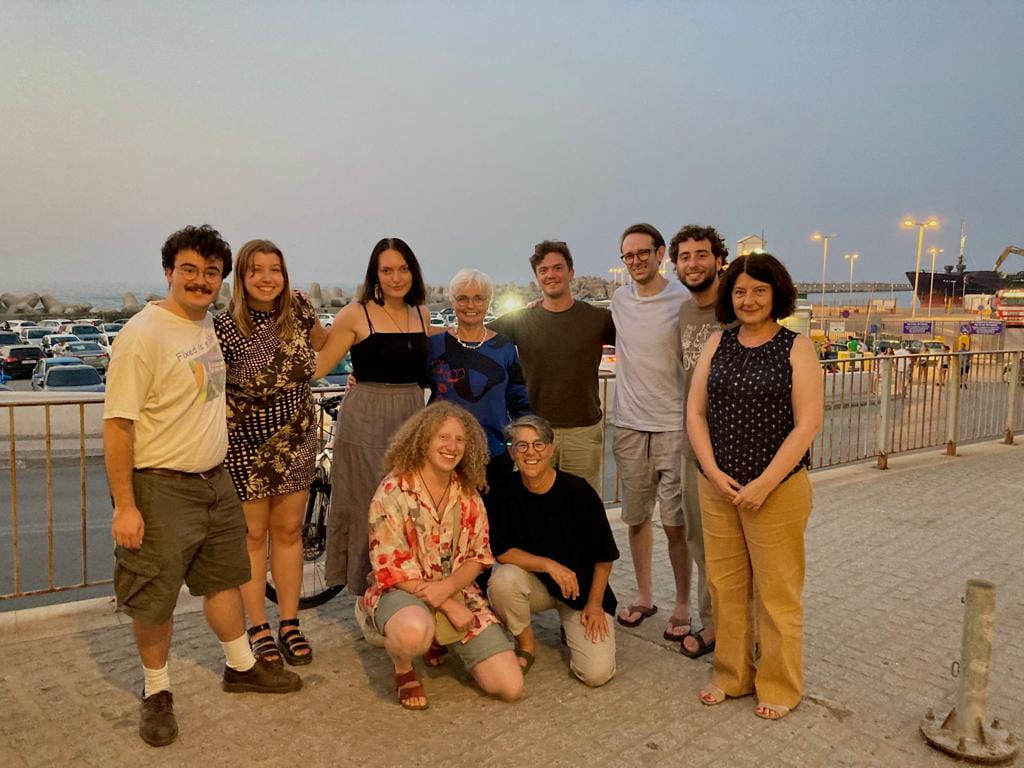
There was a large UCSC contingent at CreteLing 2022 this year, the annual linguistics summer school hosted at the University of Crete in beautiful Rethymno. Two current faculty members, Professors Ivy Sichel and Donka Farkas, and incoming faculty member Professor Roumyana Pancheva, taught classes over the two-week program. Nine students from UCSC, both undergraduate and graduate, attended these classes and others. Here are some quotes from participants about their favorite part of the program:

UCSC linguists at the Port of Rethymno

UCSC students and professors at the Port of Rethymno. From left clockwise: Owen O’Brien (senior), Sophia Stremel (PhD), Sadie Lewis (senior), Donka Farkas (faculty), Eli Sharf (PhD), Jackson Confer (alum), Matthew Kogan (MA), Roumyana Pancheva (faculty), Ivy Sichel (faculty), and Niko Webster (PhD).

Easily, the best part was getting to know so many brilliant professors and students from around the world, both in the classroom and out. Conversations with new friends were consistently insightful and rewarding, and I loved being able to explore the island during down time and end the days with good food and night swims in such great company.” – Jackson Confer, alum

“At CreteLing, I enjoyed many of the meals we shared together, lunch between classes, and late-night dinners, where everyone was welcome and we seemed to keep cramming chairs around the table. Some of the most exciting conversations were had over a great meal and a view of the Mediterranean.” – Sadie Lewis, senior

I really enjoyed going out with our big Santa Cruz cohort to enjoy the tremendous food and culture in Crete. I was quite excited to be thinking about Linguistics with everyone in this very vacation-esque setting.” – Matthew Kogan, 2nd year MA

Donka and Sabine at the final dinner.

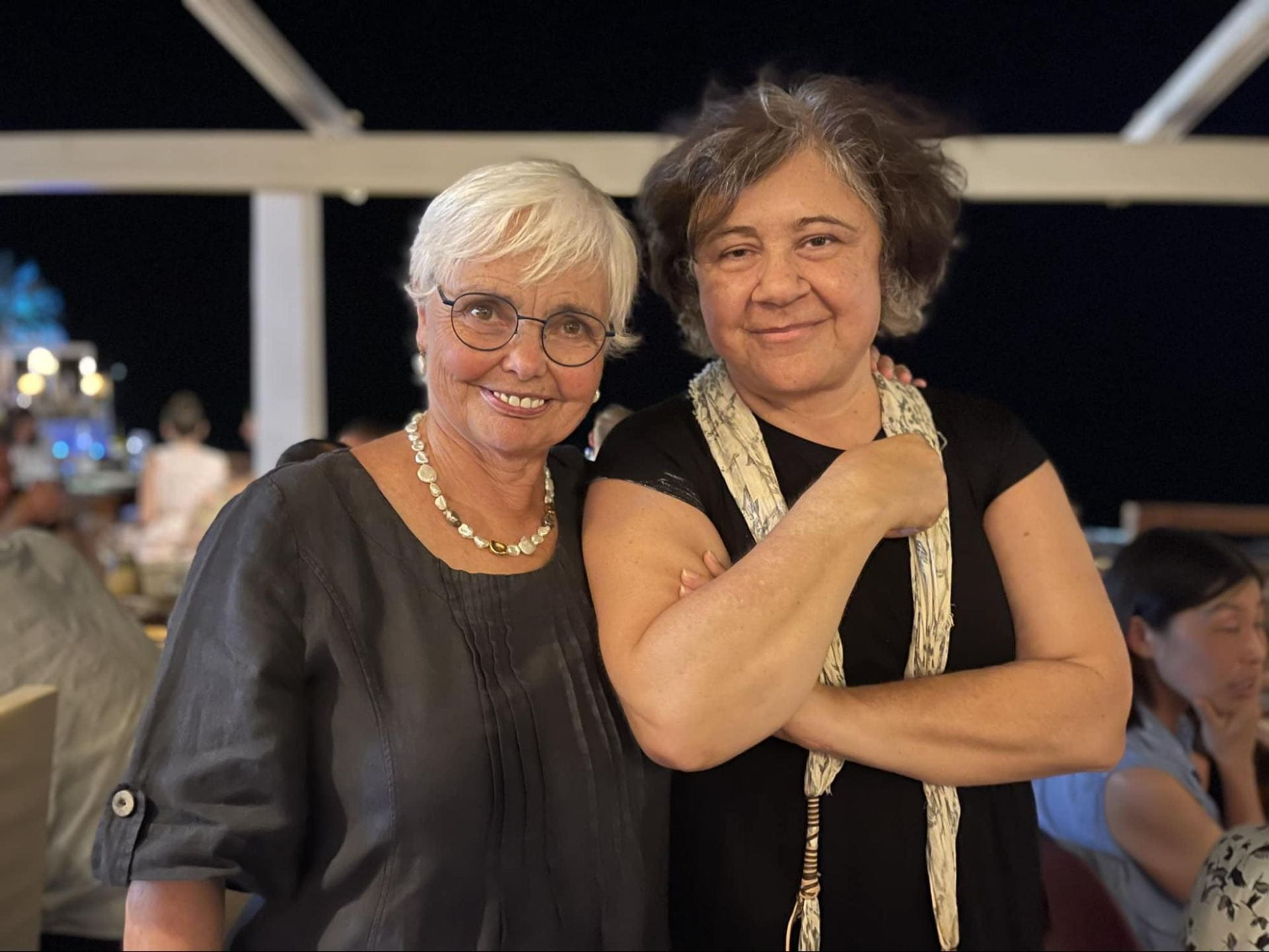
Donka Farkas, Professor Emerita at UCSC and Sabine Iatridou, Professor at MIT and Co-Director of CreteLing

“It was pure joy to be in a real classroom with real live students again.  I loved interacting with the large and lively UCSC contingent, in class, at Brew your Mind cafe, on the bus, or even during a brief forced march from the classroom to the bus station.” – Donka Farkas, Professor Emerita

“I enjoyed dancing: whether in the club or in the streets!” – Owen O’Brien, senior

“Wednesday was our off-day in the middle of the week. I loved going to the local beach and swimming in the warm Mediterranean on this day, having some time to enjoy the sun and think about ideas I learned in class the previous few days.” – Eli Sharf, 2nd year PhD 

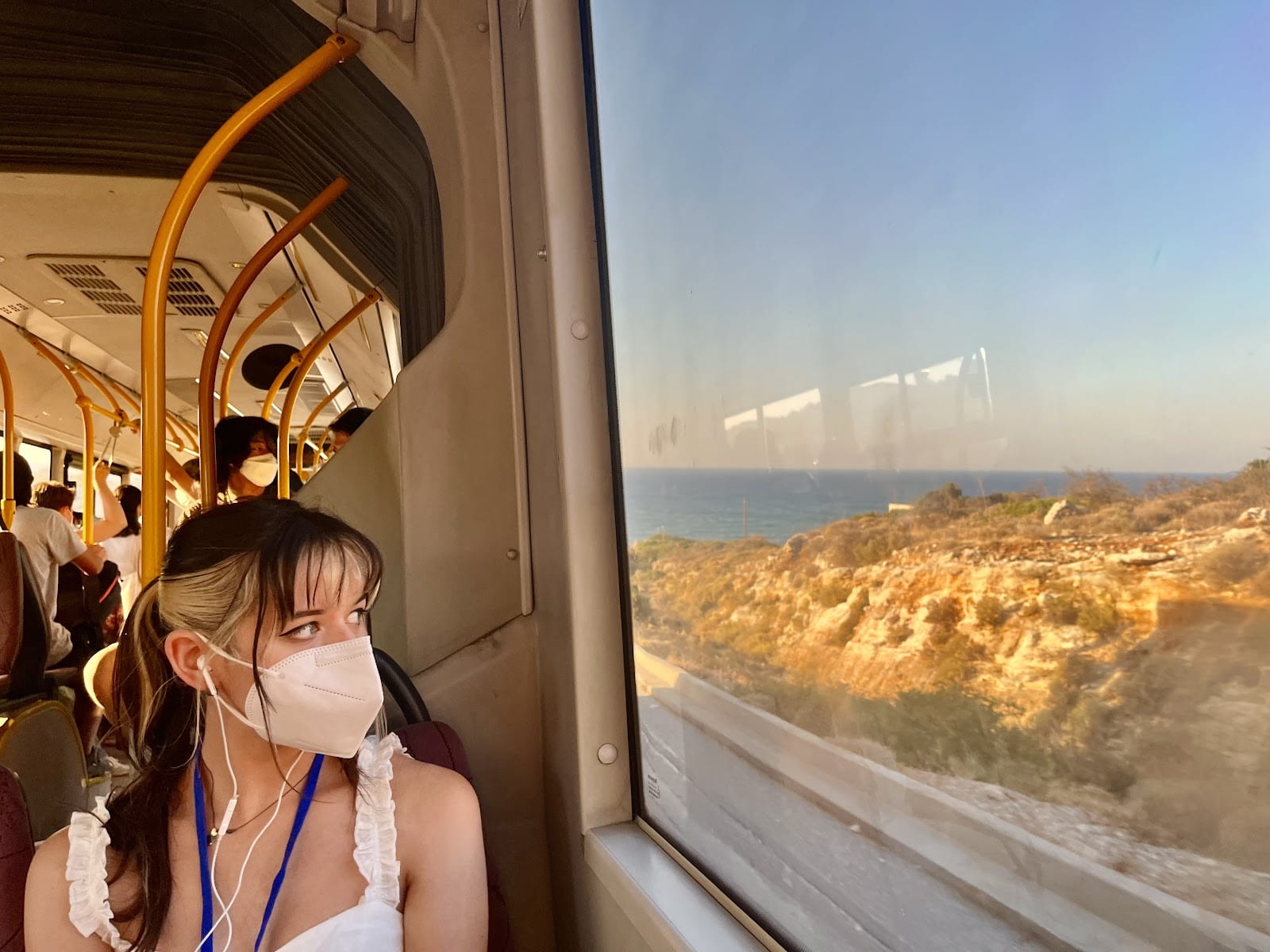
Delaney Gomez-Jackson on a bus.

UCSC MA student Delaney Gomez-Jackson enjoying the bus ride back to downtown Rethymno after a long day of classes

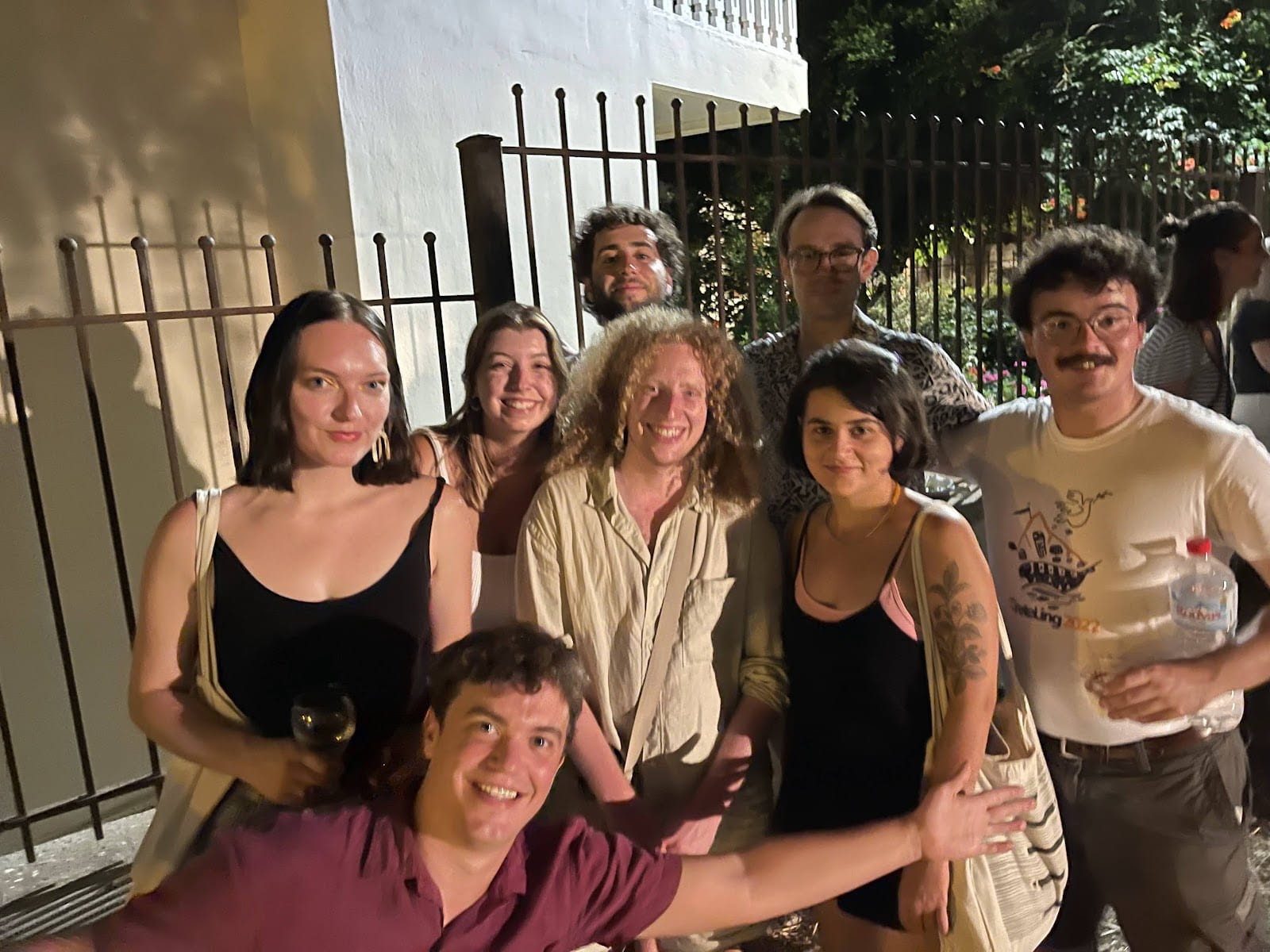
UCSC linguists at the Final Dinner

UCSC students celebrating at the dinner and dance party hosted on the final night of the program. From left clockwise: Sadie Lewis (senior), Sophia Stremel (PhD), Matthew Kogan (MA), Jackson Confer (alum), Owen O’Brien (senior), Elifnur Ulusoy (MA), Niko Webster (PhD), and Eli Sharf (PhD).


Pictures of the University of Crete

A collage of film photos of the Rethymno campus taken by Delaney Gomez-Jackson.

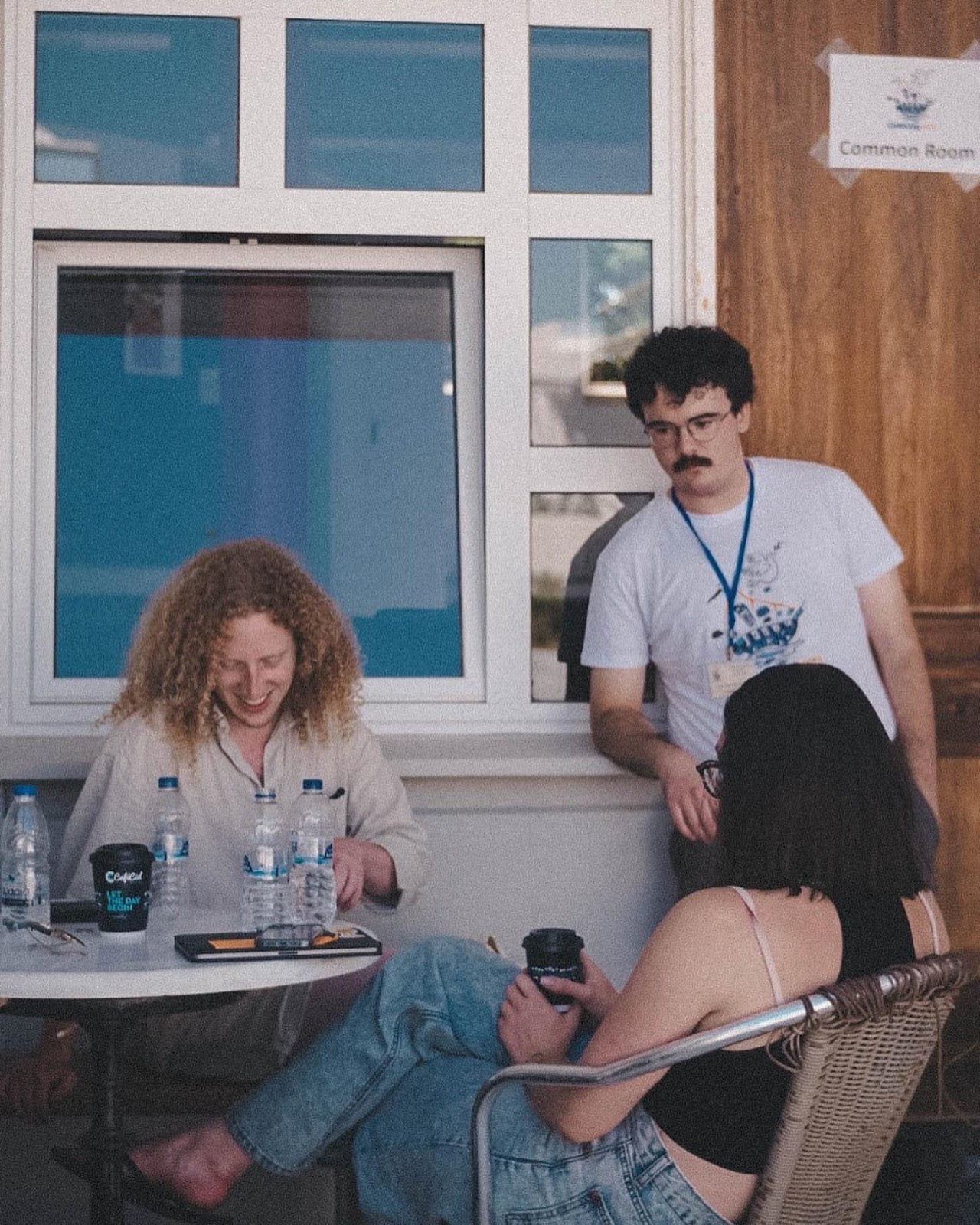
Hangout out in Crete

Niko Webster (left), Owen O’Brien (right, back), and Sadie Lewis (right, front) hang out and drink coffee in front of the common room during a class break.


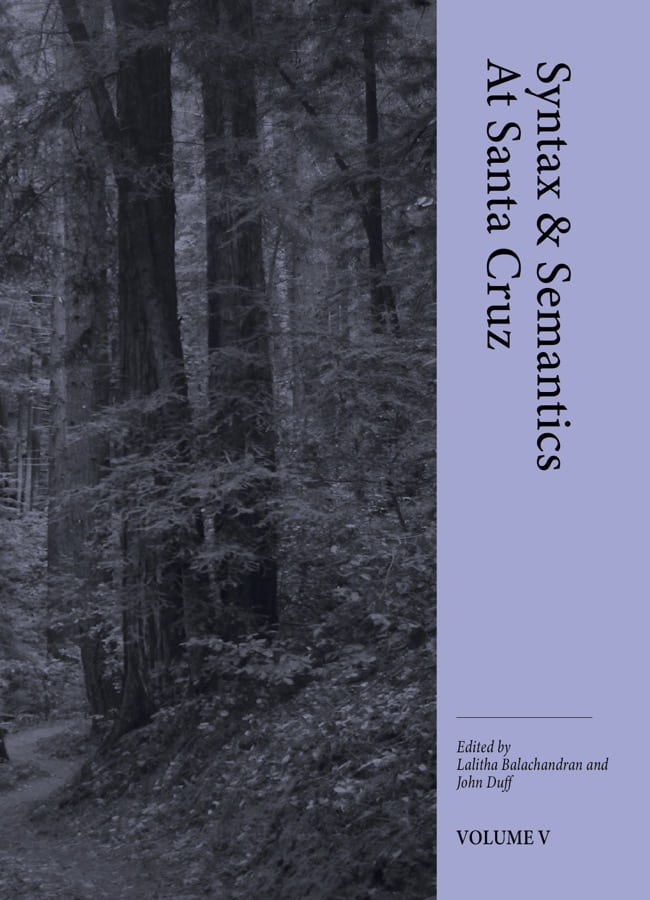
Syntax & Semantics at Santa Cruz, Volume 5 released

SynSem at UCSC Vol 5

The cover of Volume V of Syntax & Semantics at Santa Cruz

The fifth volume of Syntax & Semantics at Santa Cruz (SASC) — the Department’s working paper series on syntax and semantics — was just released. Edited by PhD students Lalitha Balachandran and Jack Duff, it features four articles by current and recently graduated students and faculty:

The volume is available both online and in print.

1 9 10 11 12 13 56