Toosarvandani published in Language

Associate Professor Maziar Toosarvandani published a journal article titled “The interpretation and grammatical representation of animacy” in the December issue of Language. Here is the abstract:

We are used to thinking about person, number, and gender as features to which the grammar is sensitive. But the place of animacy is less familiar, despite its robust syntactic activity in many languages. I investigate the pronominal system of Southeastern Sierra Zapotec, identifying an interpretive parallel between animacy and person. Third-person plural pronouns, which encode a four-way animacy distinction in the language, exhibit associativity, a cluster of interpretive properties that have been argued also to characterize first-and second-person plural pronouns. Building on Kratzer’s (2009) and Harbour’s (2016) theories of person, I propose a plurality-based semantics for animacy that captures their shared properties. The compositional mechanism underlying this semantics ties person and animacy features to a single syntactic position inside the noun phrase. This enables an understanding of these features’ shared relevance to syntactic operations, including those underlying pronoun cliticization. In these Zapotec varieties, it is constrained both by person (in the well-known person-case constraint) and by animacy.
Gong and Tamura at WAFL17

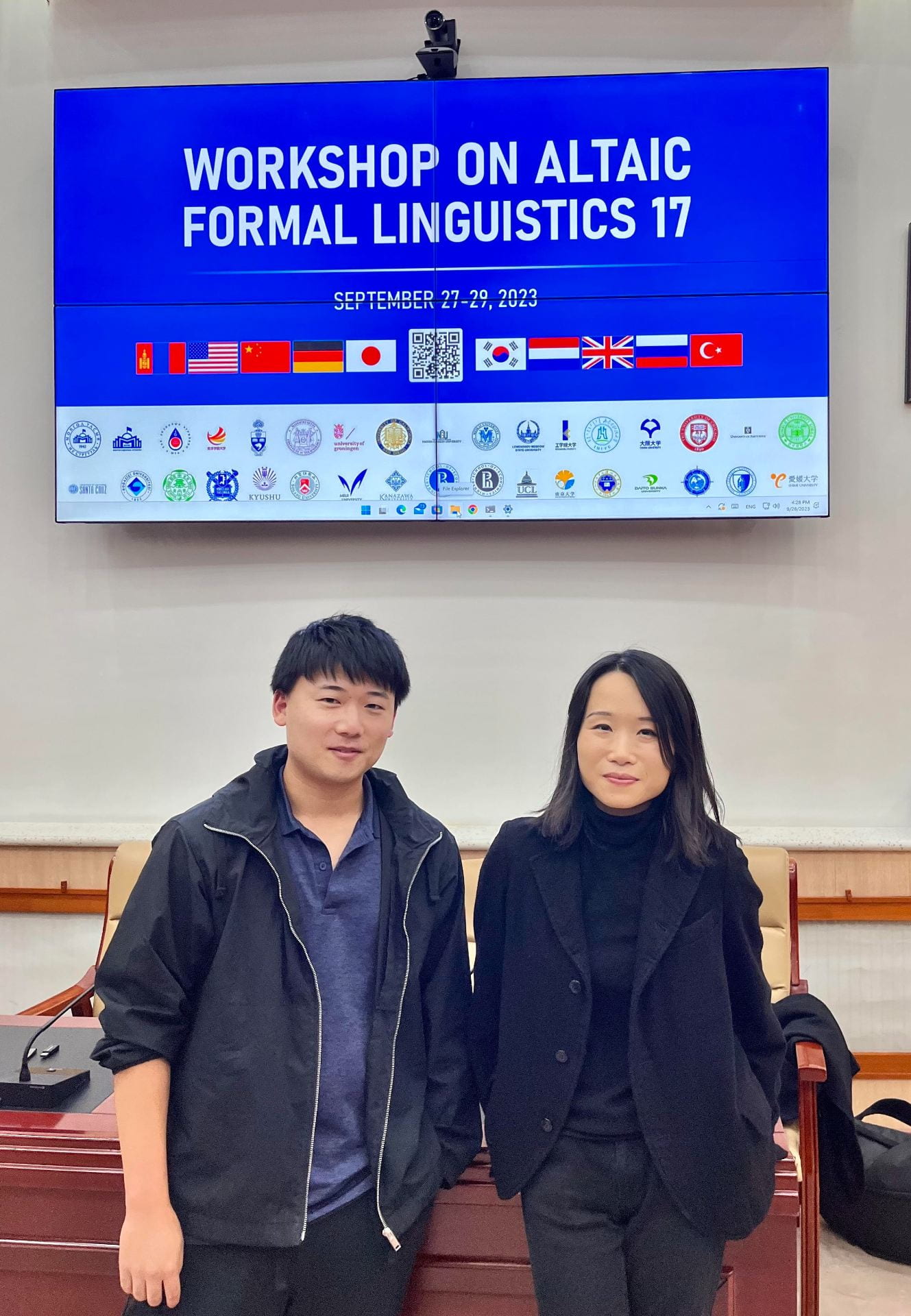
Two banana slugs presented their work at WAFL17, which took place Sep 27-29 in Ulaanbaatar, Mongolia. Assistant Professor Mia Gong gave an invited talk titled “On the Nature of Reflexive Binding in Mongolian: From Nominals to Clauses“, and third-year Ph.D. student Jun Tamura presented a talk on “Compounding Words in the Syntax can Produce Phrasal Phonology: Evidence from Aoyagi Morphemes“.

Professor Mia Gong (right) and Jun Tamura (left)

Professor Mia Gong (right) and Jun Tamura (left)

Bennett colloquium on Friday

This Friday, our own Ryan Bennett will give the first colloquium talk of fall quarter/school year, titled “Vowel deletion as grammatically-controlled gestural overlap in Uspanteko”.  The talk will take place on Friday, 10/13, at 1:20 pm in HUM 1 – 210.

His abstract is as follows:

Uspanteko (Mayan) is spoken by ~5000 people in the central highlands of Guatemala. Unstressed vowels in Uspanteko often delete, though deletion is variable within and across speakers. Deletion appears to be phonological, being sensitive to phonotactics, foot structure, vowel quality, and morphology; and being largely insensitive to speech rate and style. But deletion also appears to be phonetic in character, reflecting extreme vowel reduction rather than symbolic deletion: it is variable, gradient, insensitive to certain phonotactics, and opaque with respect to accent placement. Electroglottography data suggests that even apparently ‘deleted’ vowels may contribute voicing to [C(V)C] intervals, albeit inaudibly. We thus analyze deletion as grammatically-controlled gestural overlap, which masks vowels in [CVC] contexts, either in the phonology proper (e.g. Gafos 2002) or as part of a grammar of phonetic interpretation (e.g. Kingston & Diehl 1994).

Ito and Mester’s Spring and Summer 2023 updates in Japan

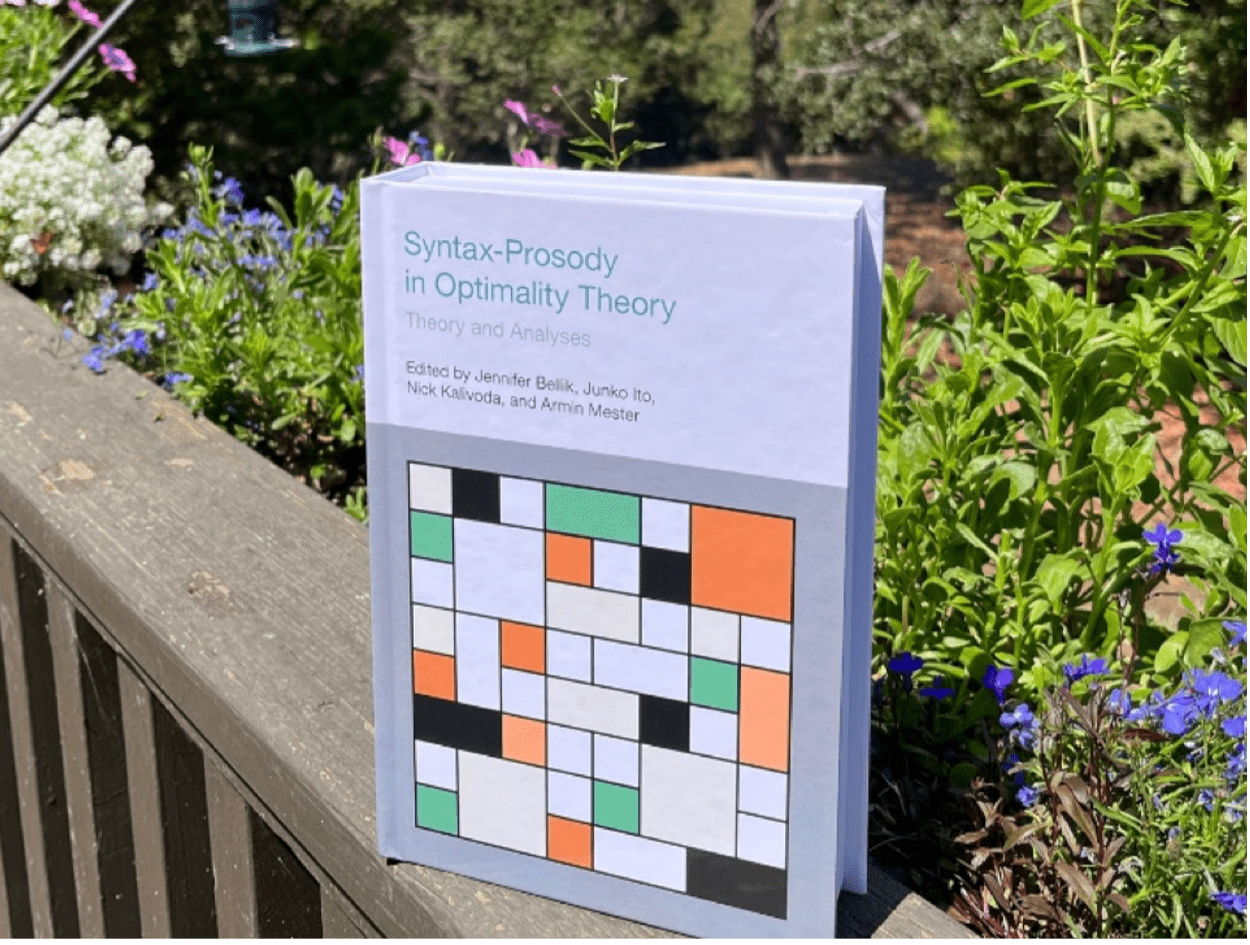
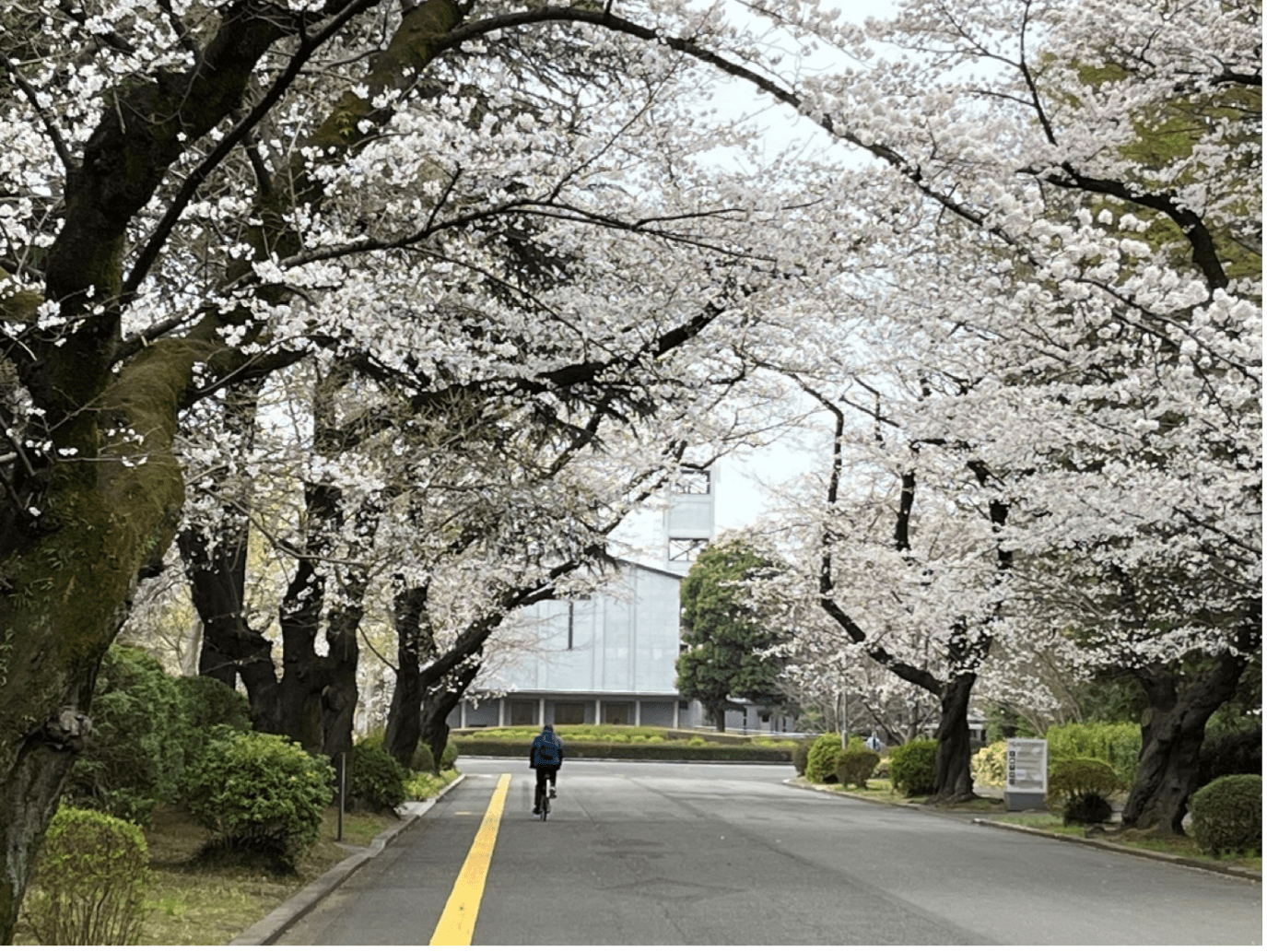
Besides cherry blossom viewing on their bikes at ICU (Picture 1), Research Professor Emerita and Emeritus Junko and Armin worked on finalizing “Syntax-Prosody in Optimality Theory–Theory and Analysis”, a book co-edited with Nick Kalivoda (Ph.D. 2018) and Jennifer Bellik (Ph.D. 2019). This involved final proofreading, editorial corrections, correspondence with individual authors, and providing the index — bringing it to final publication in the summer.

The volume (Picture 2) contains the results of an NSF-funded project in the form of various singly and co-authored papers by the editors as well as UCSC linguistics undergrads, grads, and postdocs, including Richard Bibbs (7th-year Ph.D. candidate), Dan Brodkin (5th-year Ph.D. candidate), Yaqing Cao (5th-year Ph.D. candidate), Ben Eischens (Ph.D. 2022, now Assistant Professor at UCLA), Ed Shingler (B.A. 2021), Max Tarlov (B.A. 2021) and Nicholas Van Handel (Ph.D. 2022).

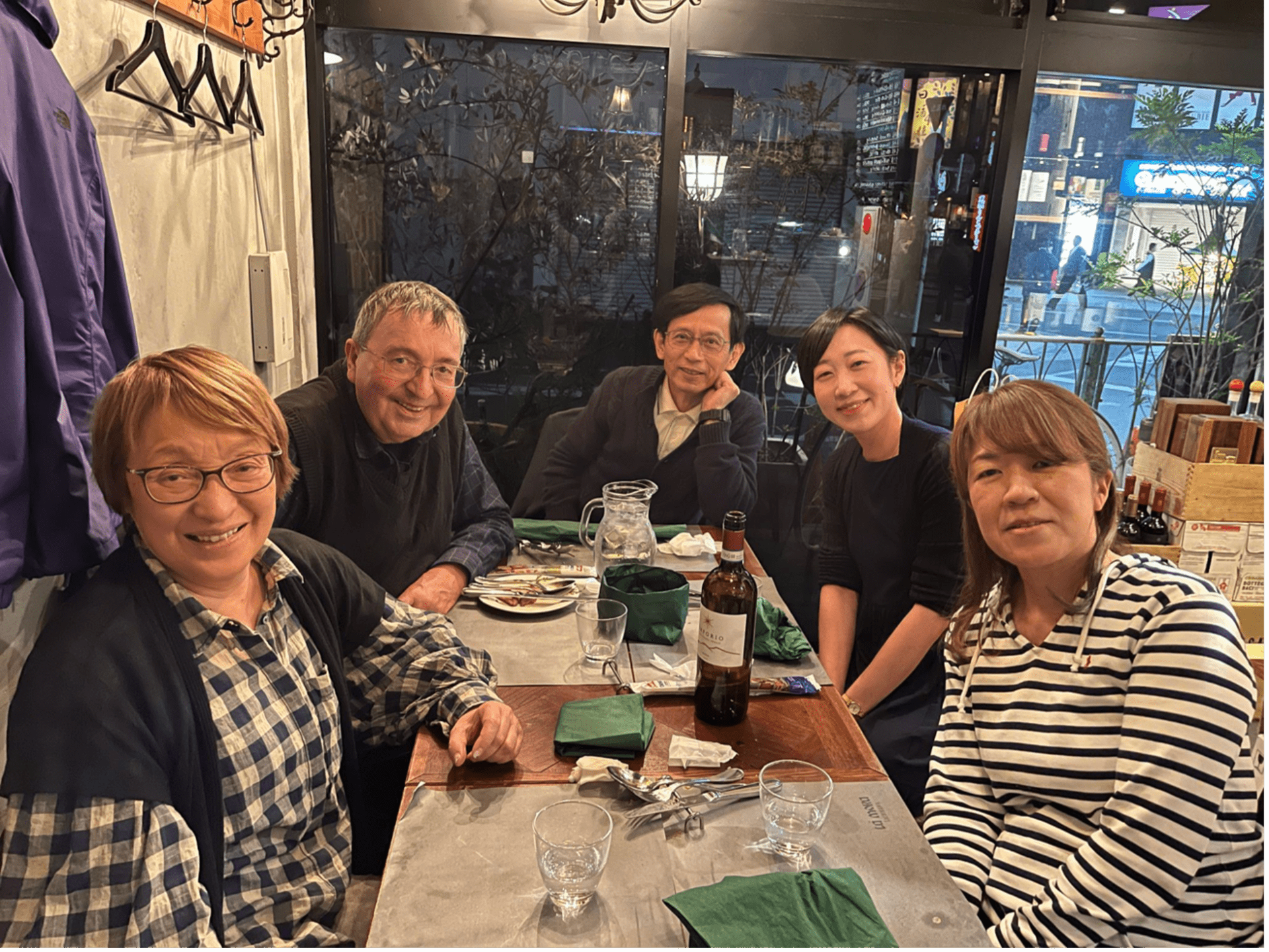
During their Spring sojourn in Japan, Junko and Armin had two UCSC-related get-togethers. First, at an Italian trattoria in Tokyo appropriately called “La Mora” (Picture 3), they dined with Haruo Kubozono (visiting scholar at the Linguistics Research Center 1993-94, now at National Institute for Japanese Language and Linguistics, or NINJAL), Maho Morimoto (Ph.D. 2020, now a postdoc at Sophia University in Tokyo), and Motoko Katayama (PhD 1998, now a medical doctor heading her own Obstetrics & Gynecology clinic in Kunitachi, Tokyo).

Second, travels in Japan with Bill Ladusaw (Retired Professor Emeritus) and his partner Ken Christopher landed the four of them at an onsen (hot spring spa) near Nikko, Japan (Picture 4).

  • Cherry blossoms at International Christian University
    Cherry blossoms at International Christian University

AmLaP23 Update

AMLaP23 took place from August 31st to September 2, with many current and former Banana Slugs in attendance. It was hosted by the Basque Center for Brain and Language in San Sebastián-Donostia, whose mountain-hemmed, fog-suffused shores were eerily reminiscent of [Matt’s] home. There were six presentations from current students and faculty:

All of their abstracts can be found here.

We also ran into many former slugs, like Kelsey Sasaki (Ph.D. 2021, now Junior Research Fellow at Oxford; presenting joint work with Matt Husband, Daniel Altshuler and Runyi Yao) and Jakub Dotlačil (Assitant Professor at Utrecht). And Professor Liv Hoversten from Psychology, who completed a postdoc at BCBL, was also present.

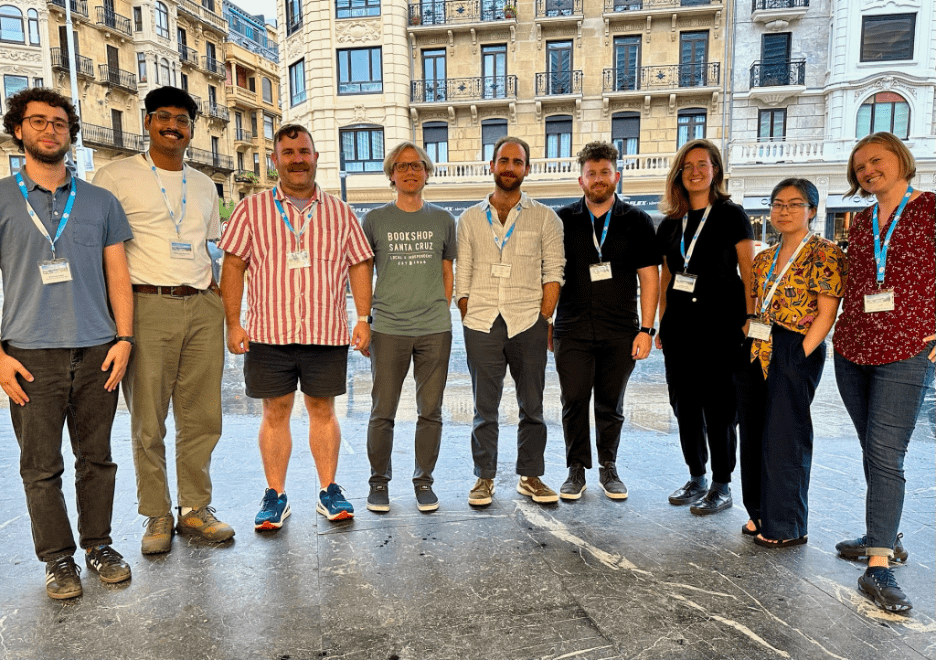
From left to right: Kogan, Arvindam, Wagers, Dotlačil, Duff, Kaplan, Rich, Sasaki, Hoversten; not pictured: Balachandran

From left to right: Kogan, Arvindam, Wagers, Dotlačil, Duff, Kaplan, Rich, Sasaki, Hoversten; not pictured: Balachandran

Bennett and Padgett present at ICPhS 2023

In August, at the International Congress of Phonetic Sciences (ICPhS) in Prague, Ryan Bennett and Jaye Padgett presented a poster called “The timing of secondary dorsal articulations across syllable positions in Irish“. This is joint work with Grant McGuire, Jenny Bellik, and Máire Ní Chiosáin of University College Dublin.

Ryan Bennett had another talk at the same ICPhS called “Phonetic variability in the realization of glottalized stops in Uspanteko (Mayan)” (co-authored with Robert Henderson, UCSC Ph.D. 2012, now Associate Professor at U Arizona, and Meg Harvey, Brown University).

Ph.D. alumna Maho Morimoto (2020) was also present with her joint work with colleagues, one titled “Tongue contours for the Japanese moraic nasal by speakers of Standard Chinese“, and the other “Articulatory timing of the Japanese singleton and geminate /t/ produced by speakers of Standard Chinese“.

Slugs at CreteLing 2023

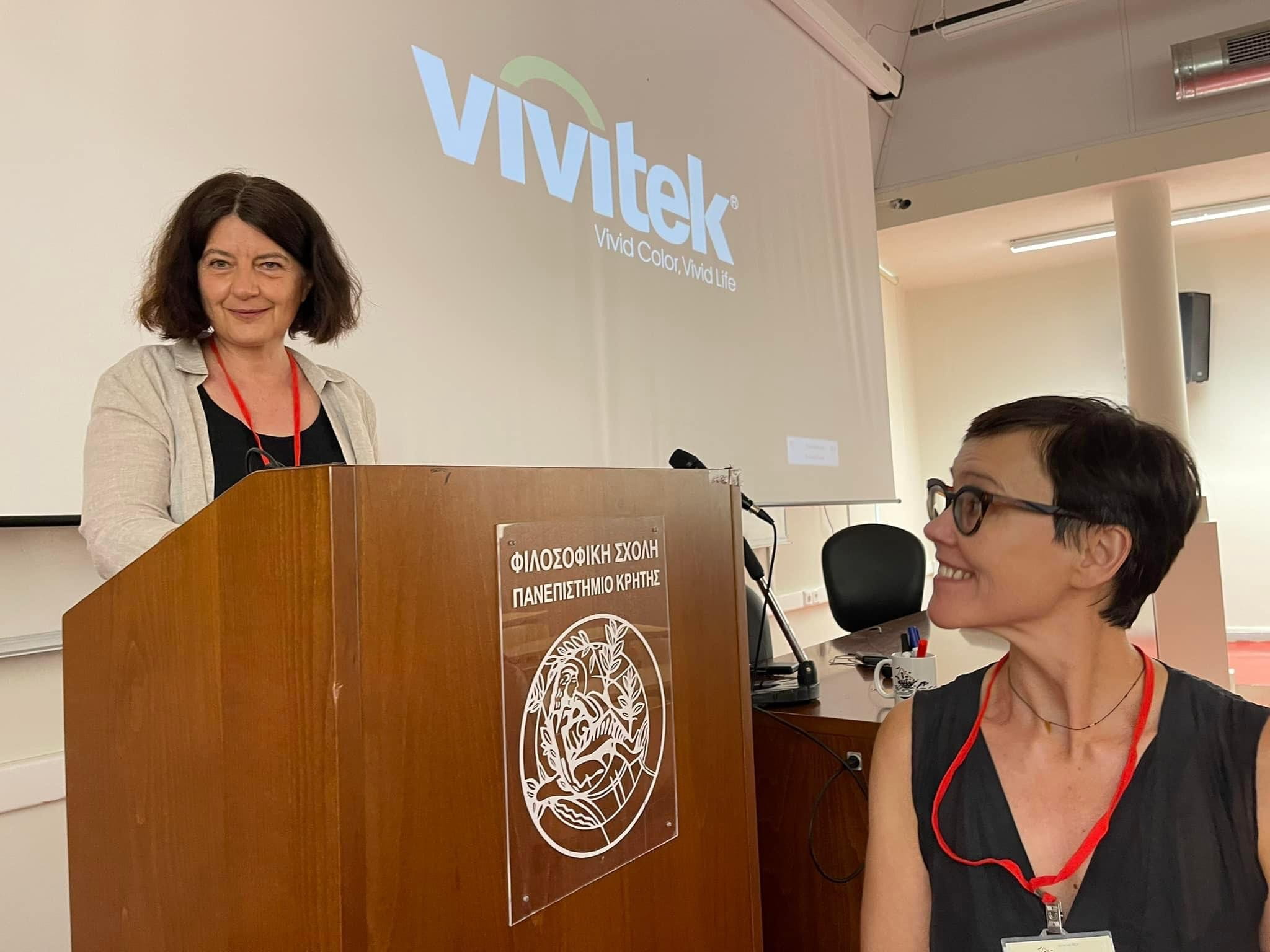
CreteLing celebrated its fifth anniversary this summer, which took place from July 15 to July 28 in Rethymnon, Greece. 

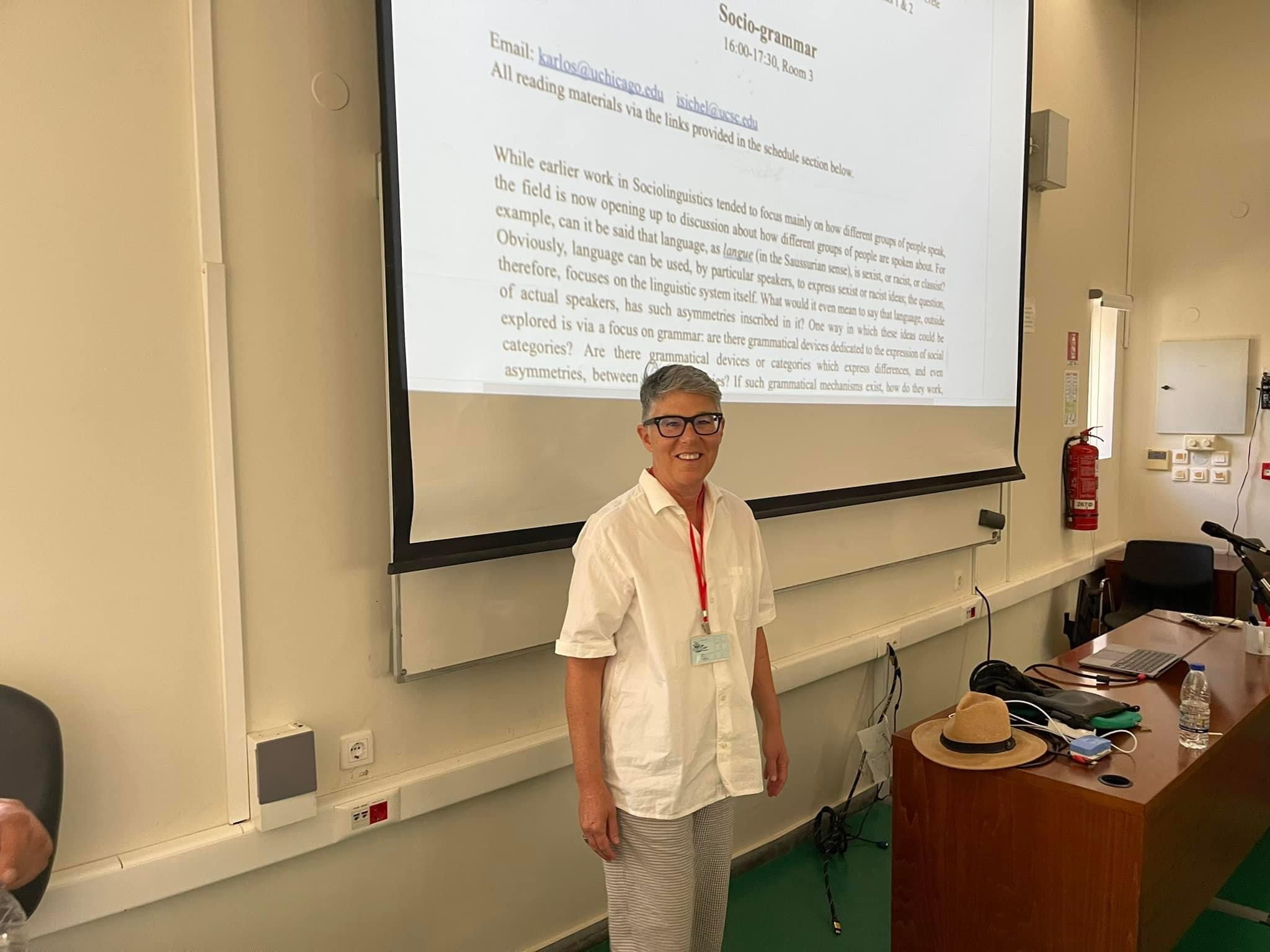
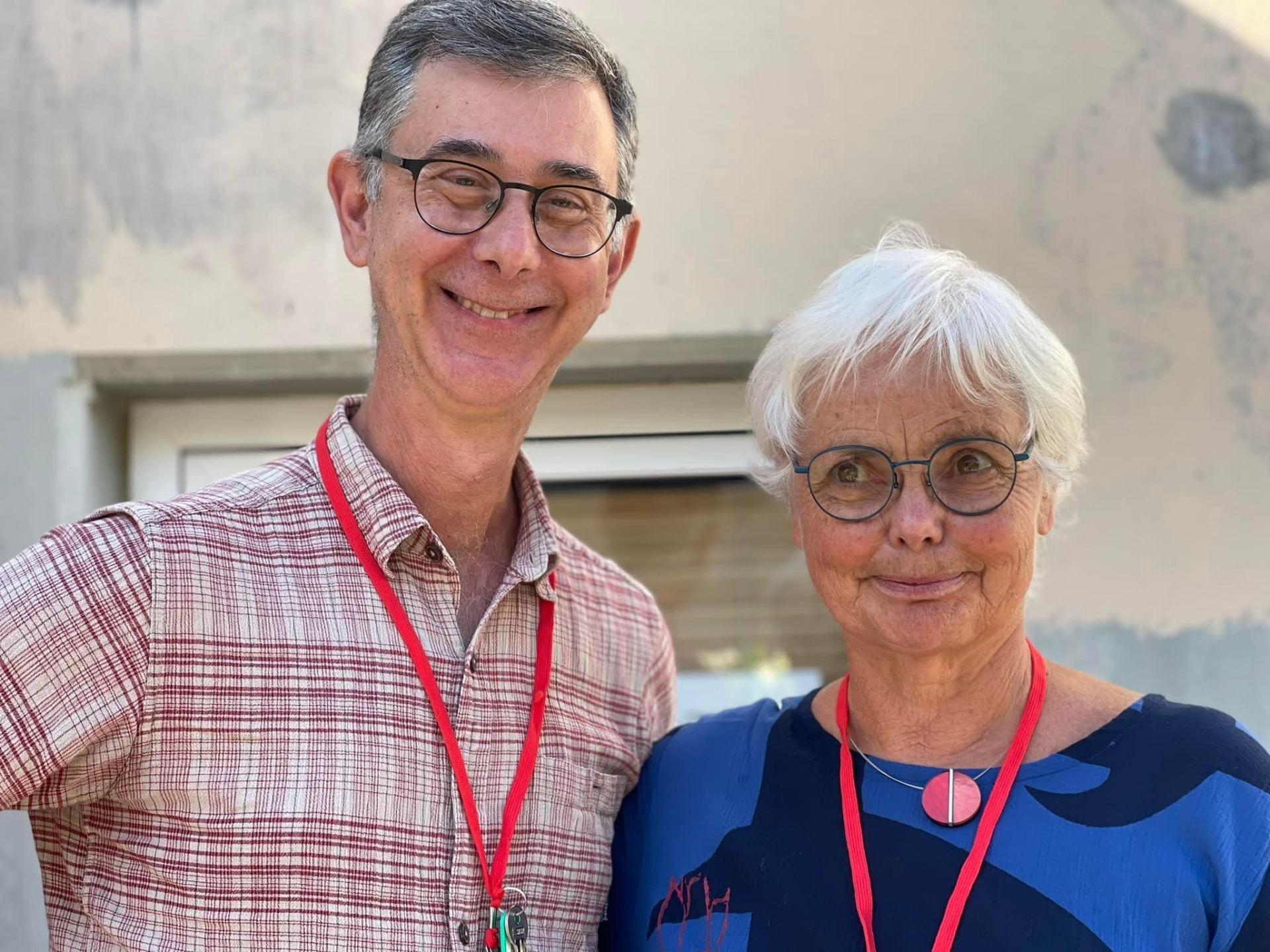
Professor Ivy Sichel co-taught a class with Karlos Arregui (Professor, University of Chicago) titled “Socio-grammar”, which focused on gender asymmetries and markedness in language and the actual world. And Professor Sichel described her experience at CreteLing as “a perfect balance between intense learning and a laid-back communal atmosphere”.

Professor Roumyana Pancheva co-taught a class on “Comparative Syntax and Semantics of Slavic” with Barbara Citko (Professor, University of Washington) and Sergei Tatevosov (Professor, Moscow State University).

Professor Emerita Donka Farkas co-taught “The Semantics of Mood” with Paul Portner (Professor, Georgetown University).

B.A. alumnus Eric Baković (Professor and Chair at UC San Diego) co-taught “Computation, Learning and Phonological Theory” with Adam Albright (Professor, MIT).

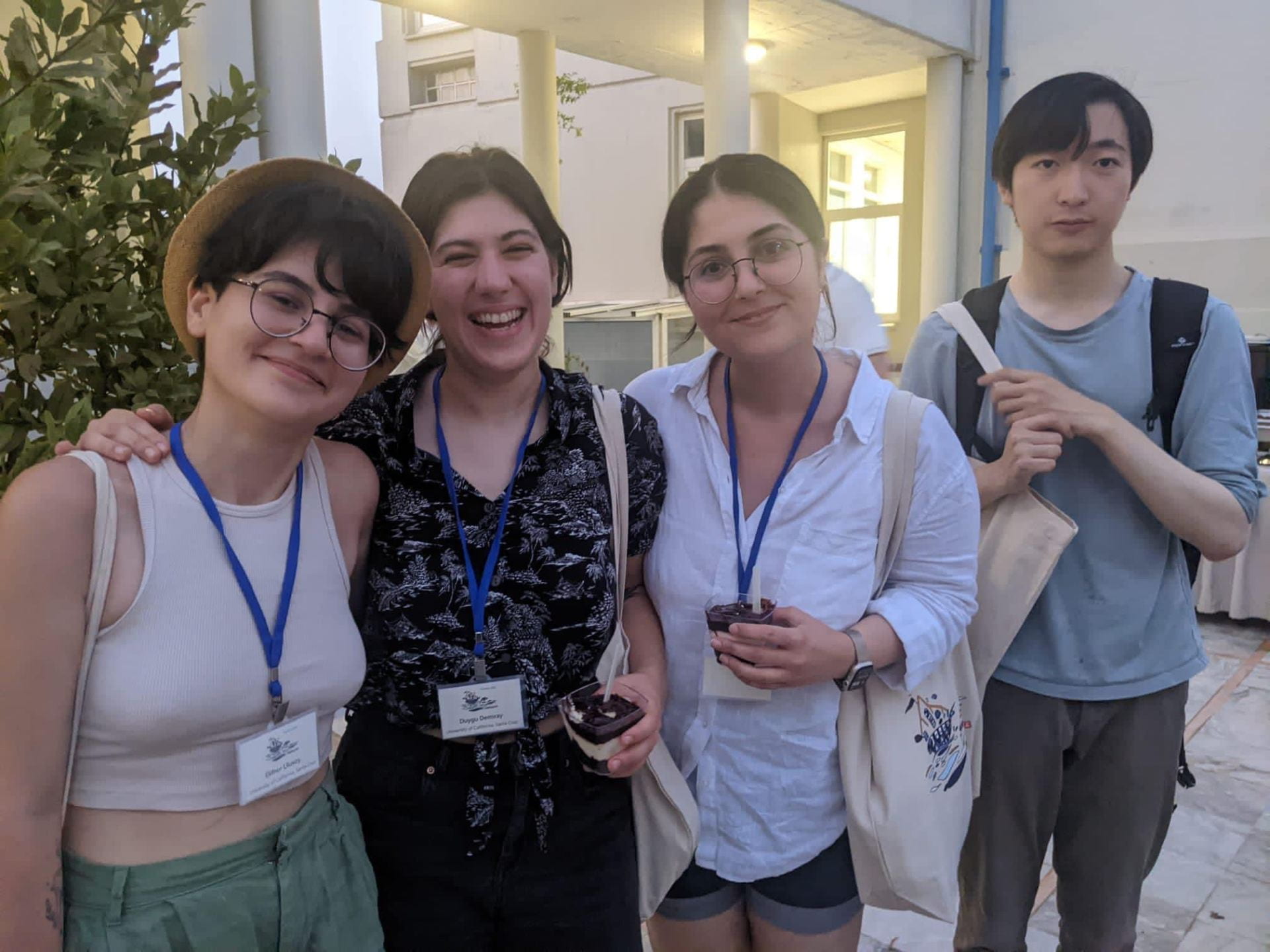
Ph.D. students Yağmur Kiper and Elifnur Ulusoy, M.A. students Duygu Demiray and Larry Lyu, and recent B.A. alumnus Jackson Confer were also in attendance.

  • Professor Ivy Sichel

(Photo credits: CreteLing Summer School Facebook)

1 7 8 9 10 11 56